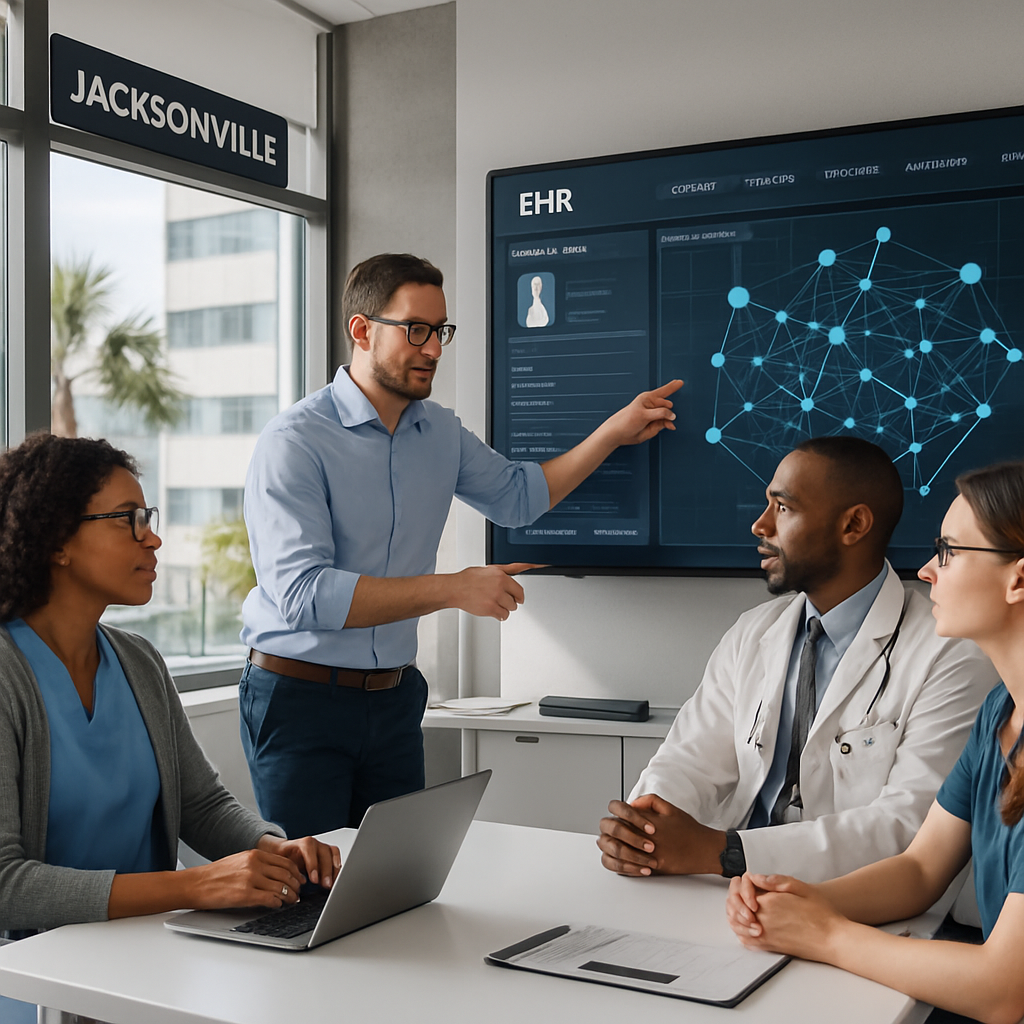
Exploring the Potential of Graph Convolutional Networks in Enhancing Electronic Health Record Systems
In the ever-evolving landscape of healthcare technology solutions, Electronic Health Record (EHR) systems stand as a pivotal component in the quest for improved patient care and operational efficiency. As medical practices increasingly seek advanced EHR solutions, the integration of cutting-edge technologies such as Graph Convolutional Networks (GCNs) presents a promising avenue for innovation. This article delves into the potential of GCNs to revolutionize EHR systems, providing insights into their application and benefits.
Understanding Graph Convolutional Networks
Graph Convolutional Networks are a type of neural network architecture specifically designed to handle data structured as graphs. Unlike traditional neural networks, GCNs can process relationships and interactions between data points, making them particularly suitable for complex datasets. Such capabilities allow GCNs to extract meaningful patterns and insights from interconnected data, which is crucial for the sophisticated nature of healthcare data management solutions.
Why Graphs Matter in EHR Systems
EHR systems involve vast and complex datasets, often including patient records, treatment histories, and interdependencies between various medical entities. Traditional data processing methods may struggle to effectively analyze these intricate relationships. By utilizing GCNs, EHR software for clinics can model these datasets as graphs, capturing the nuanced relationships and enhancing data interpretation.
Applications of GCNs in EHR Systems
The integration of GCNs into EHR systems offers several transformative possibilities:
- Patient Data Analysis: GCNs can efficiently analyze patient records, identifying correlations and patterns that might be overlooked by conventional methods.
- Predictive Analytics: By modeling patient data as graphs, GCNs can enhance predictive analytics, aiding in early diagnosis and intervention.
- Improved Clinical Decision Support: GCNs can enhance decision support systems by providing deeper insights into patient data, potentially improving treatment outcomes.
- Healthcare Network Optimization: By analyzing healthcare networks as graphs, GCNs can optimize resource allocation and management, leading to enhanced operational efficiency.
Challenges and Considerations
While the potential of GCNs in enhancing EHR systems is significant, several challenges must be addressed:
- Data Privacy and Security: Ensuring the privacy and security of sensitive patient data is paramount when integrating GCNs.
- Scalability: GCNs must be scalable to handle large volumes of data efficiently within medical office technology solutions.
- Integration Complexity: Seamless integration with existing EHR systems requires careful planning and execution.
Implementing GCNs in EHR Systems
Implementing GCNs within electronic health records Jacksonville systems involves several key steps:
- Data Preparation: Organize EHR data into graph structures, ensuring all relevant relationships are captured.
- Model Selection: Choose suitable GCN architectures that align with the specific needs of the healthcare practice.
- Training and Optimization: Train the GCN models using appropriate datasets, continually refining them to improve accuracy and efficiency.
- Integration and Testing: Integrate the GCN-enhanced system into existing workflows, conducting thorough testing to ensure seamless operation.
Conclusion
The integration of Graph Convolutional Networks into EHR systems holds significant promise for advancing healthcare technology solutions. By leveraging the power of GCNs, medical practices can enhance data analysis, improve patient care, and optimize operational efficiency. As healthcare organizations nationwide seek innovative solutions, embracing technologies like GCNs will be crucial for future growth and success.
To learn more about how AQualiT Health® Provider Services can assist your practice with cutting-edge EHR solutions and healthcare data management solutions, visit our technology platform page or contact us for a consultation.
FAQs
What are Graph Convolutional Networks?
Graph Convolutional Networks are a type of neural network architecture designed to analyze data structured as graphs, which is ideal for examining complex datasets such as those in EHR systems.
How can GCNs improve EHR systems?
GCNs can enhance EHR systems by offering improved data analysis, predictive analytics, and clinical decision support through their ability to model and interpret complex relationships within healthcare data.
Are GCNs secure for use in healthcare settings?
Yes, with proper implementation and adherence to data privacy regulations, GCNs can be securely integrated into healthcare systems while maintaining patient data confidentiality.